
Featured Beauty Insights
Best Makeup Brush Cleaning Tips for Better Skin
Good makeup hygiene is an important part of maintaining healthy skin and flawless makeup application. Many beauty users invest in expensive skincare and cosmetics but overlook the importance of keeping their brushes clean. Makeup Brush Cleaning Tips.
Following simple makeup brush cleaning tips can improve beauty routines, reduce bacteria buildup, and help makeup tools last longer. Clean brushes also allow makeup products to blend more evenly while protecting sensitive skin from irritation.
In this guide, we’ll share the best makeup brush cleaning tips for healthier skin, improved hygiene, and better makeup performance.
Why Makeup Brush Hygiene Matters
Makeup brushes come into direct contact with the skin every day. Over time, brushes collect oils, dead skin cells, dust, and leftover makeup products inside the bristles. Without proper cleaning, bacteria can begin to grow and affect overall skin health.
Poor makeup hygiene may contribute to acne breakouts, clogged pores, redness, and uneven makeup application. Clean brushes help maintain smoother makeup results while supporting healthier skincare habits. Makeup Brush Cleaning Tips
Beauty hygiene has become increasingly important as consumers become more aware of how bacteria and dirty tools can affect the skin.
Use Gentle Cleansers for Better Brush Care
One of the most important makeup brush cleaning tips is choosing gentle cleaning products. Harsh soaps or strong chemicals may damage delicate bristles and reduce the lifespan of makeup brushes. Makeup Brush Cleaning Tips
Mild cleansers such as baby shampoo, brush soap, or gentle facial cleansers are commonly used because they effectively remove makeup residue without damaging the brush fibers.
Using soft cleaning tools like silicone mats may also help remove stubborn product buildup more efficiently while protecting brush quality.
Let Brushes Dry Properly
Proper drying is essential after cleaning makeup brushes. Brushes should always be dried flat on a towel rather than standing upright while wet. Excess water may travel into the handle and weaken the glue that holds the bristles together. Makeup Brush Cleaning Tips
Allowing brushes to dry completely before storing them helps reduce moisture buildup and prevents bacteria growth. Clean and dry brushes also perform better during makeup application.
Create a Consistent Cleaning Routine
Consistency is one of the most effective makeup brush cleaning tips for maintaining healthy skin. Establishing a weekly brush cleaning routine helps prevent excessive product buildup and keeps makeup tools hygienic.
Many beauty users forget to clean brushes regularly because the process feels time-consuming. Automatic brush cleaning tools can simplify the process and encourage more consistent cleaning habits. Makeup Brush Cleaning Tips
Simple routines often lead to better long-term skincare results and improved beauty hygiene practices overall.
Common Makeup Brush Cleaning Mistakes
Many beauty users unintentionally damage their makeup brushes by using harsh soaps, hot water, or improper drying methods. Strong cleaning chemicals may weaken brush fibers and shorten the lifespan of makeup tools over time.
Another common mistake is storing brushes while they are still damp. Moisture trapped inside brush bristles may encourage bacteria growth and unpleasant odors. Brushes should always be dried completely before storage.
Some users also avoid cleaning brushes regularly because the process feels time-consuming. Creating a simple weekly cleaning routine or using automatic cleaning tools can make makeup hygiene much easier to maintain consistently.
Final Thoughts
Following proper makeup brush cleaning tips can improve makeup results, support healthier skin, and extend the lifespan of beauty tools. Clean brushes help reduce bacteria buildup while creating smoother and more professional-looking makeup application.
As beauty hygiene becomes a larger focus in the skincare industry, maintaining clean makeup tools is more important than ever. Small cleaning habits can make a major difference in both confidence and skincare quality.
Frequently Asked Questions About Makeup Brush Cleaning
Many people wonder how often makeup brushes should be cleaned for the best skincare results. Brushes used with liquid makeup products should ideally be cleaned once every week, while powder brushes can usually be cleaned every two weeks depending on usage frequency.
Another common question is whether dirty makeup brushes can cause acne. Because brushes collect bacteria, oil, and makeup residue, poor brush hygiene may contribute to clogged pores and skin irritation over time.
People also ask whether makeup brushes should air dry naturally. Allowing brushes to dry flat on a clean towel is generally considered the safest method because it protects the brush handle and prevents water damage.
Proper makeup brush hygiene supports healthier skin, smoother makeup application, and longer-lasting beauty tools overall.
Discover our Brush Cleanse automatic brush cleaner for a faster and more effective beauty hygiene routine.
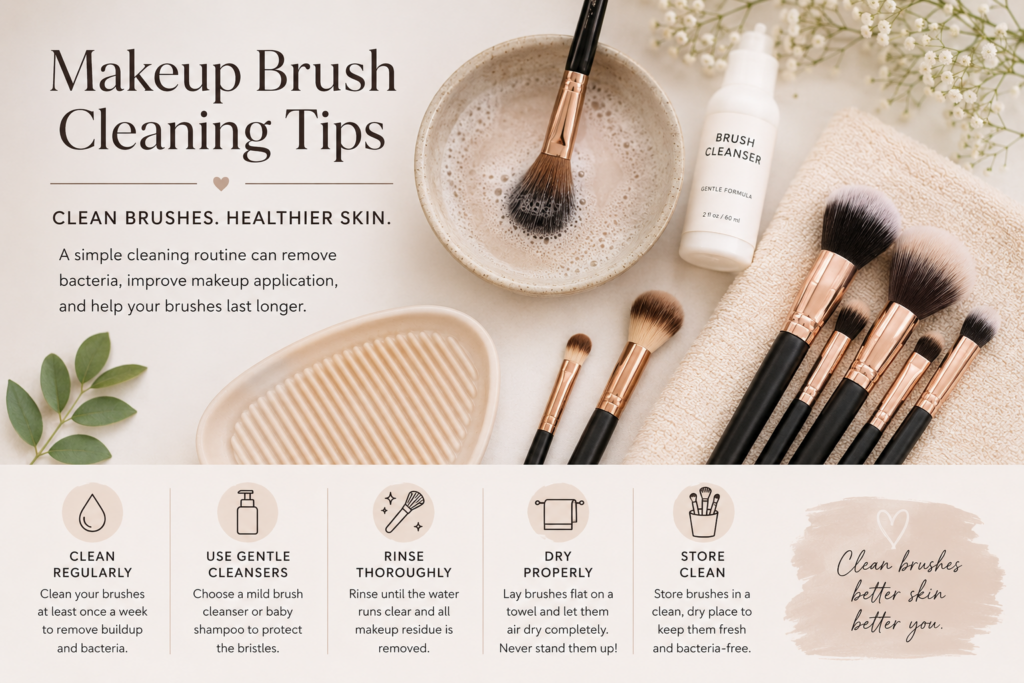
According to Healthline, regularly cleaning makeup brushes may help reduce bacteria buildup and skin irritation.
Why Dirty Makeup Brushes Can Harm Your Skin
Dirty makeup brushes are one of the most overlooked causes of poor makeup hygiene and skin irritation. Many beauty users focus heavily on skincare products while forgetting that their makeup tools touch the skin every single day.
Over time, dirty makeup brushes collect bacteria, oil, dead skin cells, and leftover makeup residue. This buildup may contribute to clogged pores, acne breakouts, redness, and uneven makeup application.
Understanding the risks of dirty makeup brushes can help improve both skincare health and beauty results. In this guide, we’ll explain how dirty brushes affect the skin, how often they should be cleaned, and the best ways to maintain proper brush hygiene.
How Dirty Makeup Brushes Collect Bacteria
Makeup brushes naturally collect product buildup after every use. Foundation, concealer, powder, oils, and dead skin cells remain trapped inside the brush bristles. When brushes are not cleaned regularly, bacteria can grow quickly in the accumulated residue.
Brushes stored in bathrooms or humid environments may collect even more bacteria because moisture creates ideal conditions for microbial growth. Makeup sponges are especially vulnerable because they absorb liquids and remain damp for longer periods of time.
Using dirty makeup brushes repeatedly transfers bacteria and dirt back onto the skin, which may negatively affect overall skin health and makeup hygiene.
Skin Problems Caused by Dirty Makeup Brushes
One of the most common problems associated with dirty makeup brushes is acne. Bacteria trapped inside brushes may clog pores and increase skin irritation, especially for individuals with sensitive or acne-prone skin.
Dirty brushes may also contribute to redness, allergic reactions, and uneven skin texture. Old product buildup prevents makeup from blending properly, often leading to patchy or streaky application.
In some cases, sharing dirty makeup brushes with others may increase the risk of infections or eye irritation. Proper brush cleaning is an important part of maintaining both beauty hygiene and healthier skin.
How Often Should Makeup Brushes Be Cleaned?
Brushes used for liquid makeup products should ideally be cleaned once every week because cream and liquid formulas trap more bacteria and oil. Powder brushes can usually be cleaned every two weeks depending on usage frequency.
Makeup sponges should be cleaned more regularly because they absorb moisture quickly. Daily quick cleaning sprays may help reduce buildup between deeper washes.
Establishing a simple cleaning routine helps prevent bacteria accumulation while improving makeup application quality over time.
The Best Way to Clean Makeup Brushes
The best method for cleaning makeup brushes involves using lukewarm water and a gentle cleanser designed for delicate bristles. Brush cleansers, baby shampoo, or mild soap are common options for removing product residue safely.
Users should avoid soaking the brush handles because excess water may weaken the glue inside the brush. After washing, brushes should be reshaped carefully and left flat to dry completely.
Automatic brush cleaners have also become popular because they simplify the cleaning process while encouraging more consistent beauty hygiene habits.
Common Mistakes People Make with Makeup Brush Hygiene
One common mistake many beauty users make is waiting too long between brush cleanings. Even if brushes appear clean on the surface, bacteria and product residue may still remain deep inside the bristles. Infrequent cleaning can negatively affect both skin health and makeup quality over time.
Another mistake is storing brushes in humid or dirty environments, such as bathrooms with poor ventilation. Moisture can encourage bacteria growth and shorten the lifespan of makeup tools. Some users also use very harsh cleaning products that damage delicate brush fibers and reduce brush performance.
Building a consistent and gentle cleaning routine helps maintain better makeup hygiene while protecting both the skin and the quality of beauty tools.
Final Thoughts
Dirty makeup brushes can negatively affect both skincare and makeup performance. Regular brush cleaning helps reduce bacteria buildup, improves makeup blending, and supports healthier skin overall.
As beauty consumers become more focused on skincare and hygiene, maintaining clean makeup tools has become an essential part of modern beauty routines. Small habits like regular brush cleaning can make a significant difference in both confidence and skin health.
Explore our Brush Cleanse automatic makeup brush cleaner for a faster and easier beauty hygiene routine.
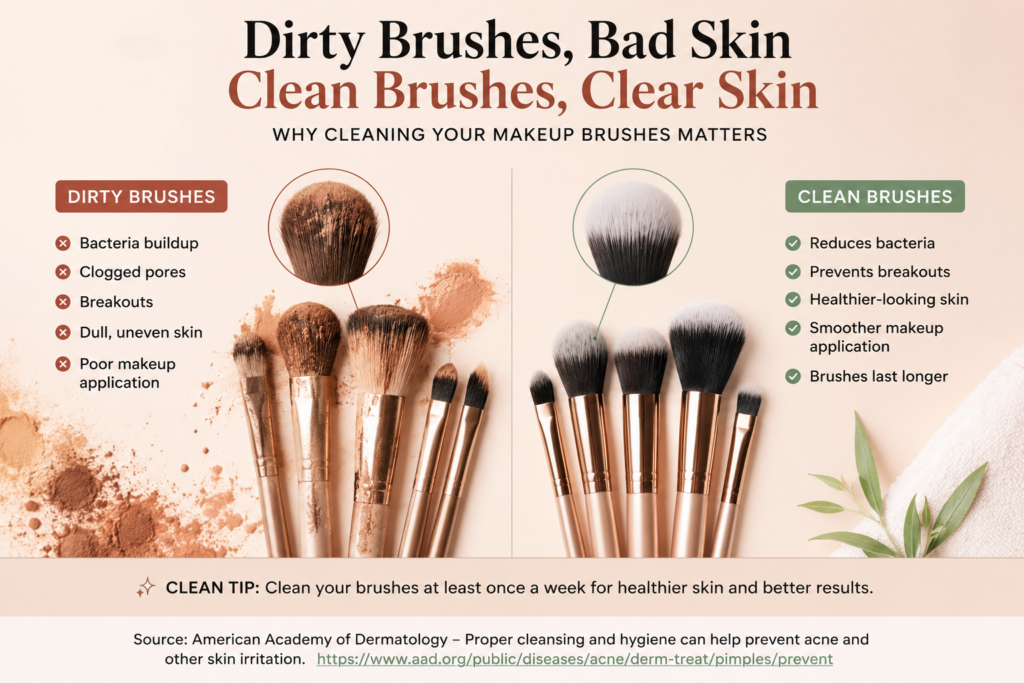
According to the American Academy of Dermatology, clean makeup tools can help reduce bacteria buildup and improve skin health.
How to Clean Makeup Brushes Properly: The Complete Guide
Many people forget that makeup brushes touch the skin every single day. Over time, brushes collect makeup residue, oil, dead skin cells, and bacteria that can affect both skin health and makeup performance. Using dirty brushes may contribute to clogged pores, irritation, and uneven application.
Clean makeup brushes help makeup products blend more smoothly while also protecting sensitive skin. Regular cleaning also helps brushes last longer, keeping the bristles soft and preventing product buildup from damaging the tools.
Good makeup hygiene has become an important part of modern beauty routines, especially for consumers who care about skincare and healthy beauty habits. Clean tools create better results and improve confidence in daily makeup application.
Why You Should Clean Makeup Brushes Regularly
Many people forget that makeup brushes touch the skin every single day. Over time, brushes collect makeup residue, oil, dead skin cells, and bacteria that can affect both skin health and makeup performance. Using dirty brushes may contribute to clogged pores, irritation, and uneven application. Clean Makeup Brushes
Clean makeup brushes help makeup products blend more smoothly while also protecting sensitive skin. Regular cleaning also helps brushes last longer, keeping the bristles soft and preventing product buildup from damaging the tools.
Good makeup hygiene has become an important part of modern beauty routines, especially for consumers who care about skincare and healthy beauty habits. Clean tools create better results and improve confidence in daily makeup application.
How Often Should You Clean Makeup Brushes?
The ideal cleaning frequency depends on how often the brushes are used and which products they apply. Brushes used with liquid or cream products, such as foundation or concealer, should be cleaned at least once every week because they trap moisture and bacteria more easily. Clean Makeup Brushes
Brushes used for powder products can usually be cleaned every two weeks. Makeup sponges should be cleaned after every use whenever possible since they absorb a large amount of product and moisture.
People with acne-prone or sensitive skin may benefit from cleaning their brushes more frequently. Establishing a regular cleaning routine helps prevent bacteria buildup while improving overall makeup hygiene and skincare quality.
Best Products for Clean Makeup Brushes
There are many different products that can be used to clean makeup brushes effectively. Gentle soap, baby shampoo, and specialized brush cleansers are among the most common options. The most important factor is choosing a product that removes makeup residue without damaging the brush bristles.
Some beauty consumers prefer quick-cleaning sprays for daily maintenance, while deeper cleaning solutions are better for weekly cleaning routines. Silicone cleaning mats are also popular because they help remove stubborn product buildup from brush fibers.
Automatic brush cleaners have become increasingly popular because they save time and simplify the cleaning process. These tools allow users to clean multiple brushes quickly while improving consistency and convenience in their beauty routines.
Step-by-Step Brush Cleaning Routine
The first step in cleaning makeup brushes is rinsing the bristles with lukewarm water. It is important to avoid soaking the entire brush because excess water can loosen the glue inside the handle and damage the brush over time.
Next, apply a gentle cleanser directly onto the bristles or onto a cleaning mat. Gently swirl the brush in circular motions to remove makeup buildup, oil, and dirt. Continue rinsing until the water runs clear.
After washing, gently squeeze out excess water using a clean towel. Reshape the bristles carefully and lay the brushes flat to dry completely. Drying brushes upright while wet may allow water to enter the handle and reduce the lifespan of the brush.
Creating a simple cleaning routine helps maintain cleaner tools, healthier skin, and better makeup application results over time.
Common Mistakes to Avoid
One common mistake is waiting too long between brush cleanings. Many users underestimate how much bacteria and product buildup can collect on brushes after repeated use. Infrequent cleaning may negatively affect both skin quality and makeup performance.
Another mistake is using very hot water or harsh cleaning chemicals. Strong products may damage delicate bristles, causing shedding or changes in brush texture. Gentle cleansers are usually the safest option for maintaining brush quality.
Many people also store brushes while they are still damp. Proper drying is important because trapped moisture may encourage bacteria growth or unpleasant odors. Allowing brushes to dry fully before storing them helps maintain hygiene and durability.
Final Thoughts
Clean makeup brushes are an essential part of a healthy beauty routine. Proper brush maintenance improves makeup application, supports better skincare hygiene, and helps beauty tools last longer.
As beauty consumers become more focused on skincare and hygiene, maintaining clean brushes has become more important than ever. Building a simple cleaning habit can save time, improve makeup results, and create a healthier daily routine overall.
For users looking for a faster and more convenient solution, automatic brush cleaning tools can simplify the process while encouraging more consistent brush hygiene practices.
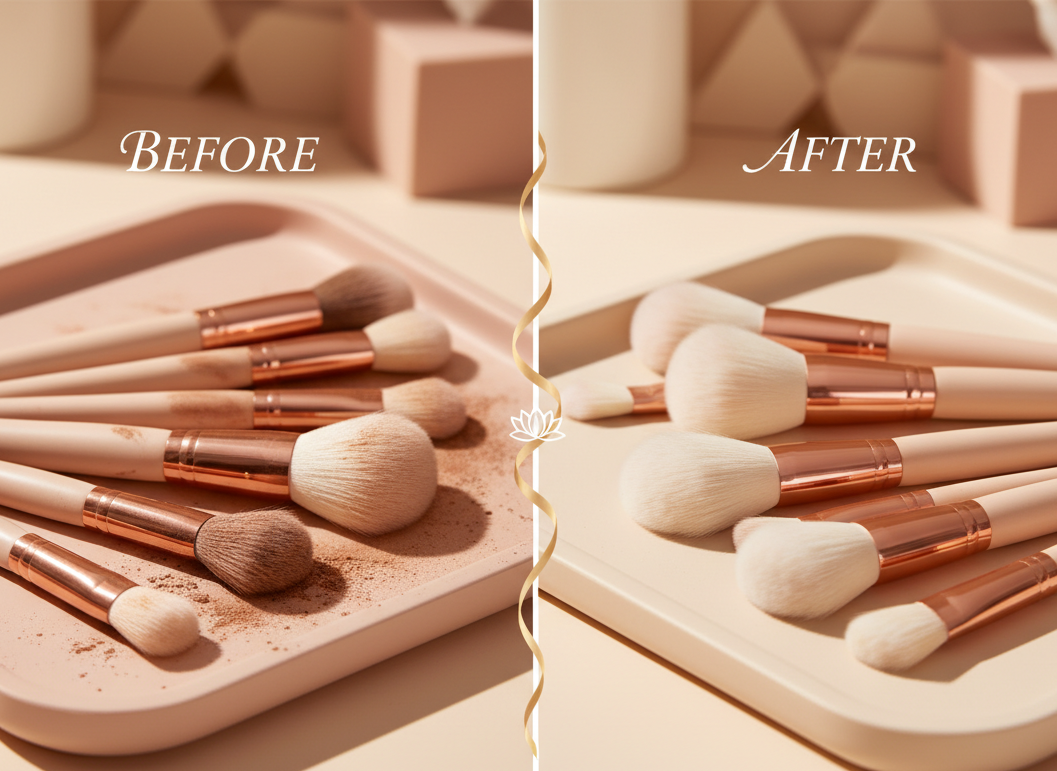
Discover our automatic brush cleaning solution at Brush Cleanse.
Watch Electric Makeup Brush Cleaning Reviews on Tiktok!
https://www.apartmenttherapy.com/tiktok-electric-makeup-brush-cleaner-review-ll-37418378
Skincare & Makeup Hygiene Tips
Best Makeup Brush Cleaning Tips for Better Skin
Good makeup hygiene is an important part of maintaining healthy skin and flawless makeup application. Many beauty users invest in expensive skincare and cosmetics but overlook the importance of keeping their brushes clean. Makeup Brush Cleaning Tips. Following simple...
Why Dirty Makeup Brushes Can Harm Your Skin
Dirty makeup brushes are one of the most overlooked causes of poor makeup hygiene and skin irritation. Many beauty users focus heavily on skincare products while forgetting that their makeup tools touch the skin every single day. Over time, dirty makeup brushes...
How to Clean Makeup Brushes Properly: The Complete Guide
Many people forget that makeup brushes touch the skin every single day. Over time, brushes collect makeup residue, oil, dead skin cells, and bacteria that can affect both skin health and makeup performance. Using dirty brushes may contribute to clogged pores,...
Transform Your Routine: Before & After
See the Difference: Clean Brushes, Clear Skin

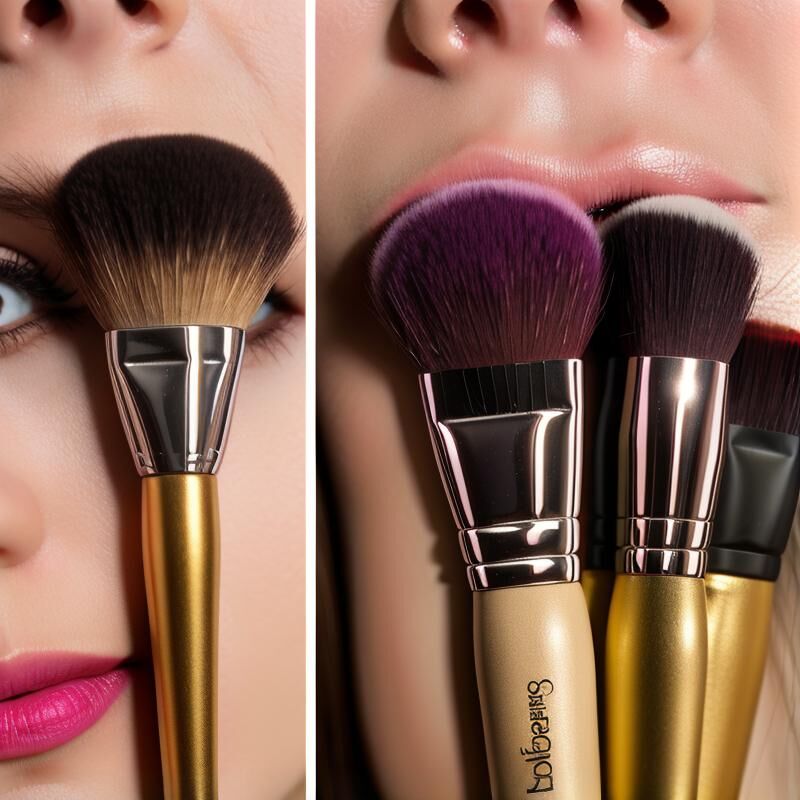
Discover Our Premium Electric Brush Cleaners
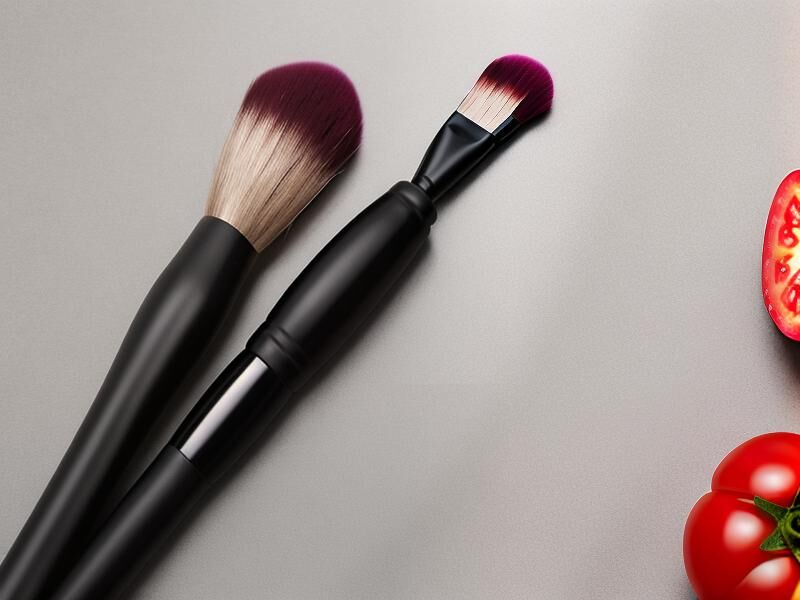
ProClean Electric Brush Cleaner
Effortlessly cleans and dries your brushes in seconds, ensuring a flawless makeup application every time.
Quick Dry Technology
Universal Fit Design
Eco-Friendly Materials
Compact and Portable
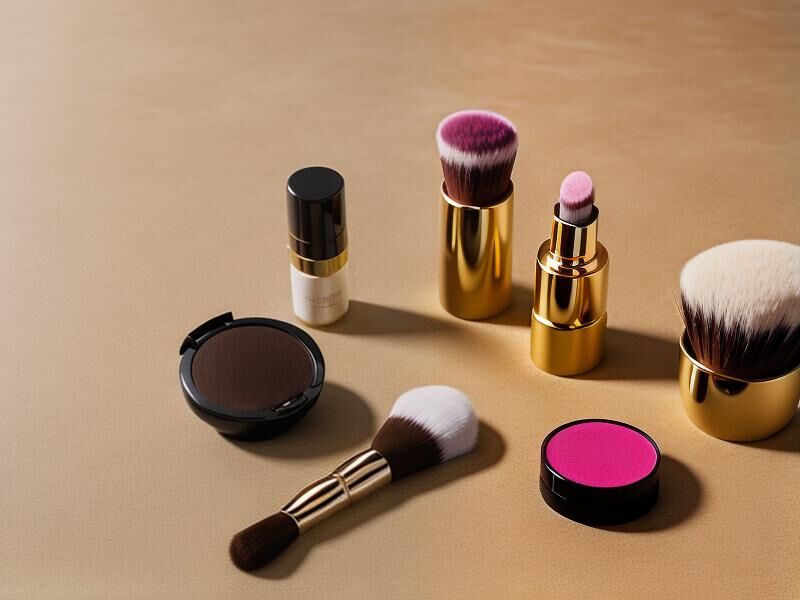
UltraClean Makeup Brush System
Experience deep cleaning with our advanced system, designed to extend the life of your brushes.
360-Degree Cleaning
Whisper-Quiet Operation
Rechargeable Battery
Sleek, Modern Design
What Our Customers Are Saying
“This brush cleaner has transformed my skincare routine! My brushes have never been cleaner, and my skin is glowing.”

Emily R.
Beauty Enthusiast
★★★★★
“I love how easy it is to use. It’s a must-have for anyone serious about makeup hygiene!”

Sophia L.
Makeup Artist
★★★★★
“A game-changer for my beauty routine. My brushes are spotless, and my skin thanks me every day.”

Olivia M.
Skincare Blogger
Connect with Us on Social Media
Youtube
Join Our Beauty Community
Subscribe to our newsletter for the latest beauty tips, exclusive offers, and updates on our newest products. Stay in the loop and elevate your beauty routine!